As part of the European ECOBoost initiative, engineers from South East Energy Agency (SEEA) in Ireland have been working closely with local businesses in the area to identify ways that they might reduce their energy costs and improve their sustainability.
Two of the businesses who are taking part in this initiative are Waterlilies Bakery in Carlow and Haughton’s Pub in Waterford.
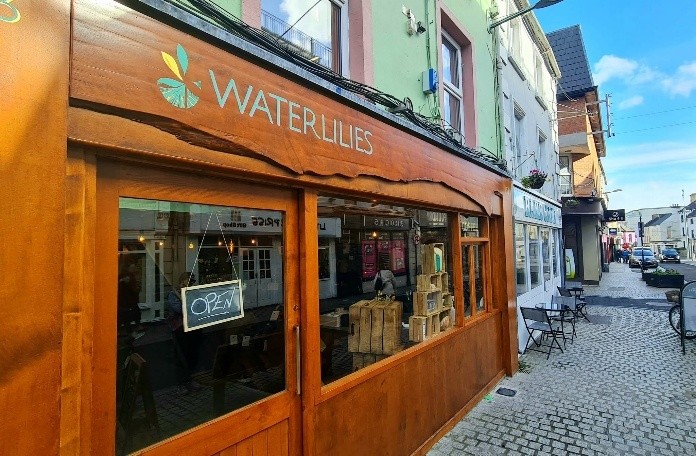
Waterlilies
Waterlilies is a coffee shop and restaurant in Carlow. The business specialises in sourdough bread and pastries, as well as speciality tea and coffee. All their dishes are organic, seasonal and homemade.
Cian Waters, co-owner of Waterlilies, decided to sign up to the ECOBoost initiative after receiving a promotional email about the project. “We’re always working to try and make things as efficient as possible, from a business perspective and an energy perspective,” said Cian.
Waterlilies is run out of a three-story building, believed to have been built in the 1750s, based on the registered ages of other buildings in the surrounding area. The building is heated using electrical panel heaters, with CFL and LED lights used throughout the premises. Neither the floors nor the walls are insulated; while the attic is not accessible, it is presumed to be insulated.
Haughton’s Pub
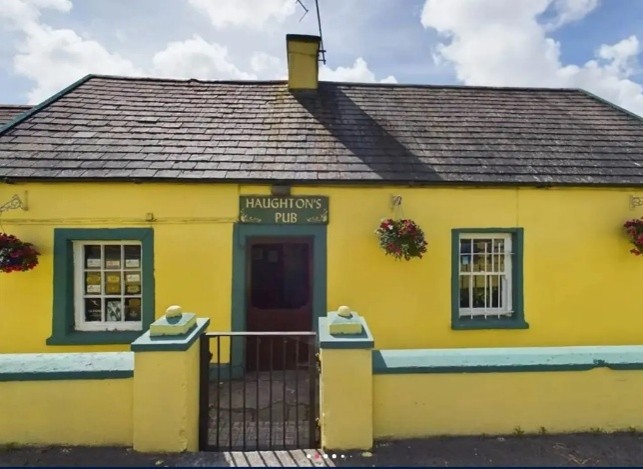
Haughton’s is a traditional Irish pub in Waterford. The building is believed to be around 200 years old. Local online publication Waterford Live described the premises as having “an abundance of old-world character and charm”.
The building is single-story and estimated to have been built in the 1800s. The pub opens in the evening on Fridays, Saturdays and Sundays, and on Bank Holidays; it is used for approximately 1,326 hours each year.
The building uses both CFL and incandescent lights for lighting. The building is heated with an oil boiler, two stoves, and an outdoor electric heater. Neither the attic nor the walls are insulated, and there is no evidence to suggest that the floor is insulated.
Recommendations
Engineers have suggested the following measures to help these businesses reduce their energy costs and improve their sustainability. Energy awareness days have been encouraged for staff and occupants, as well as a switch off policy on all plug loads and lighting after hours.
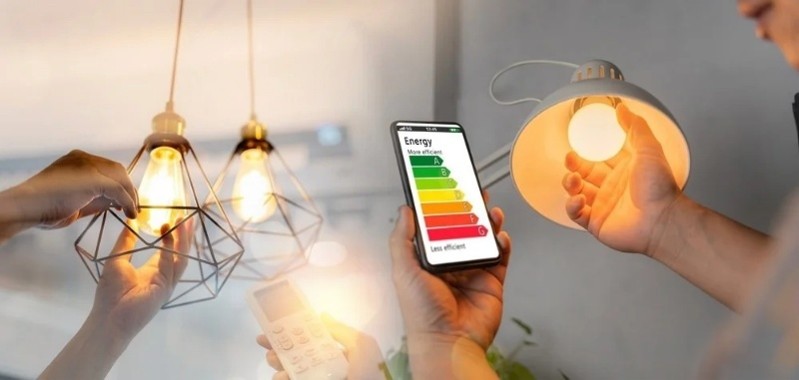
Businesses have been advised to record and submit their monthly electrical meter readings to their utility companies and consider installing sub meters on large energy users, such as fridges, dishwashers and glasswashers. A potential change in energy provider has also been suggested, as well as a change in old appliances with newer, more efficient units, and the installation of LED lights and absence detection senses throughout the premises.
Upgrades to attics, walls and roof insulations and the replacement of windows and doors with new double or triple-glazed units have also been recommended. Finally, engineers have advised these businesses to consider the installation of an on-grid PV system and, in the case of Haughton’s Pub, the replacement of the existing heating system with a heat biomass boiler.
These suggested meaures could help botsh businesses reduce wasted energy, lower their running costs and improve the sustainability of their premises, while also allowing them to continue operating from the historic buildings that are an important part of their character.